Over the past two years, young people from Albania, Kosovo, North Macedonia, and Italy have gone from observers to active contributors to public policymaking. Through research, dialogue, and regional cooperation, they have explored key issues affecting young people, including employment, mental health, civic participation, and democratic engagement, transforming their ideas into evidence-based policy recommendations.
Within the Youth Observer Model, participants conducted research, led public consultations, organized policy roundtables, and engaged directly with parliaments, local governments, public institutions, and decision-makers across the region. Their work demonstrates the value of meaningful youth participation in shaping more inclusive, responsive, and evidence-based public policies.
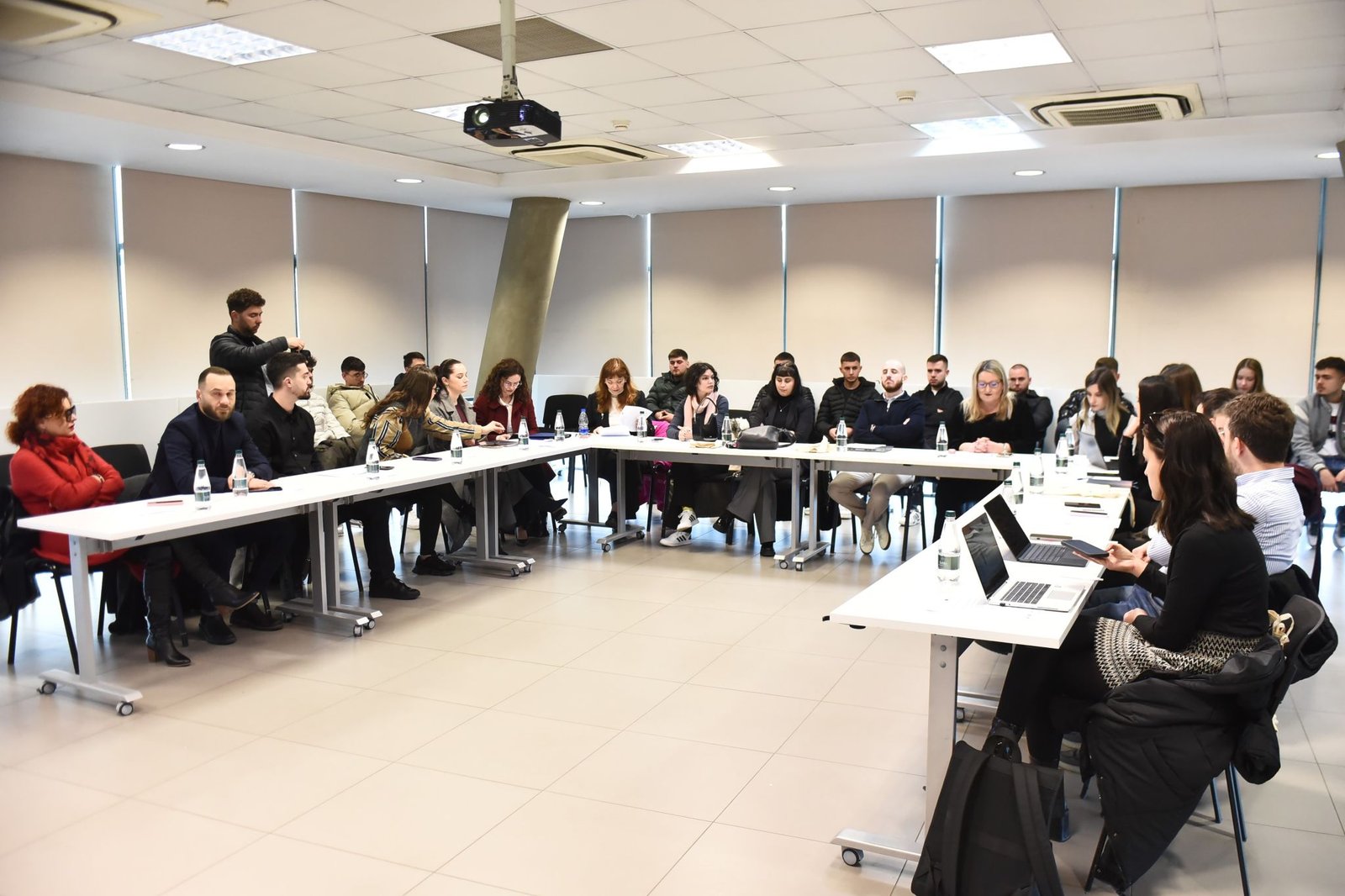
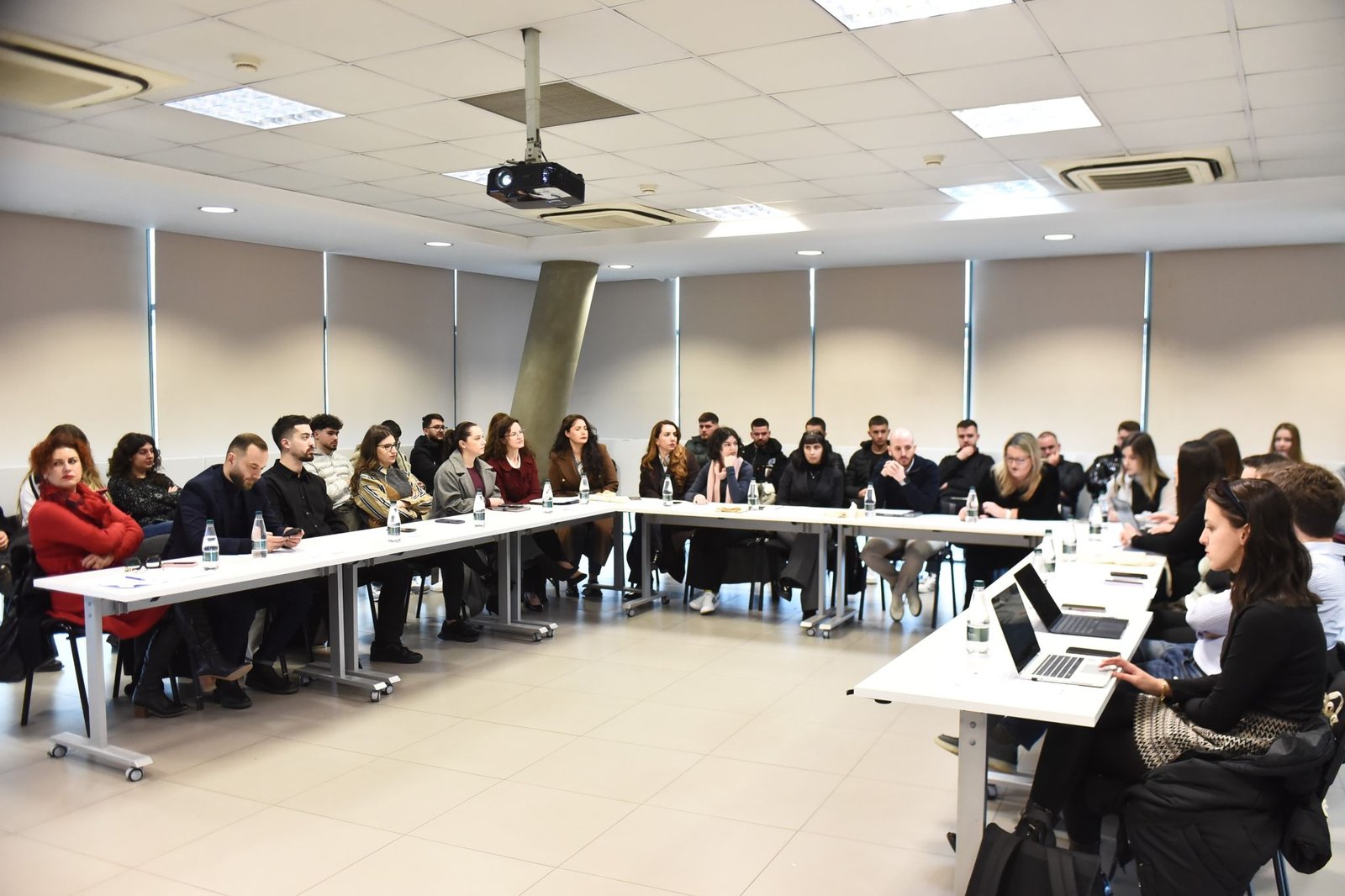
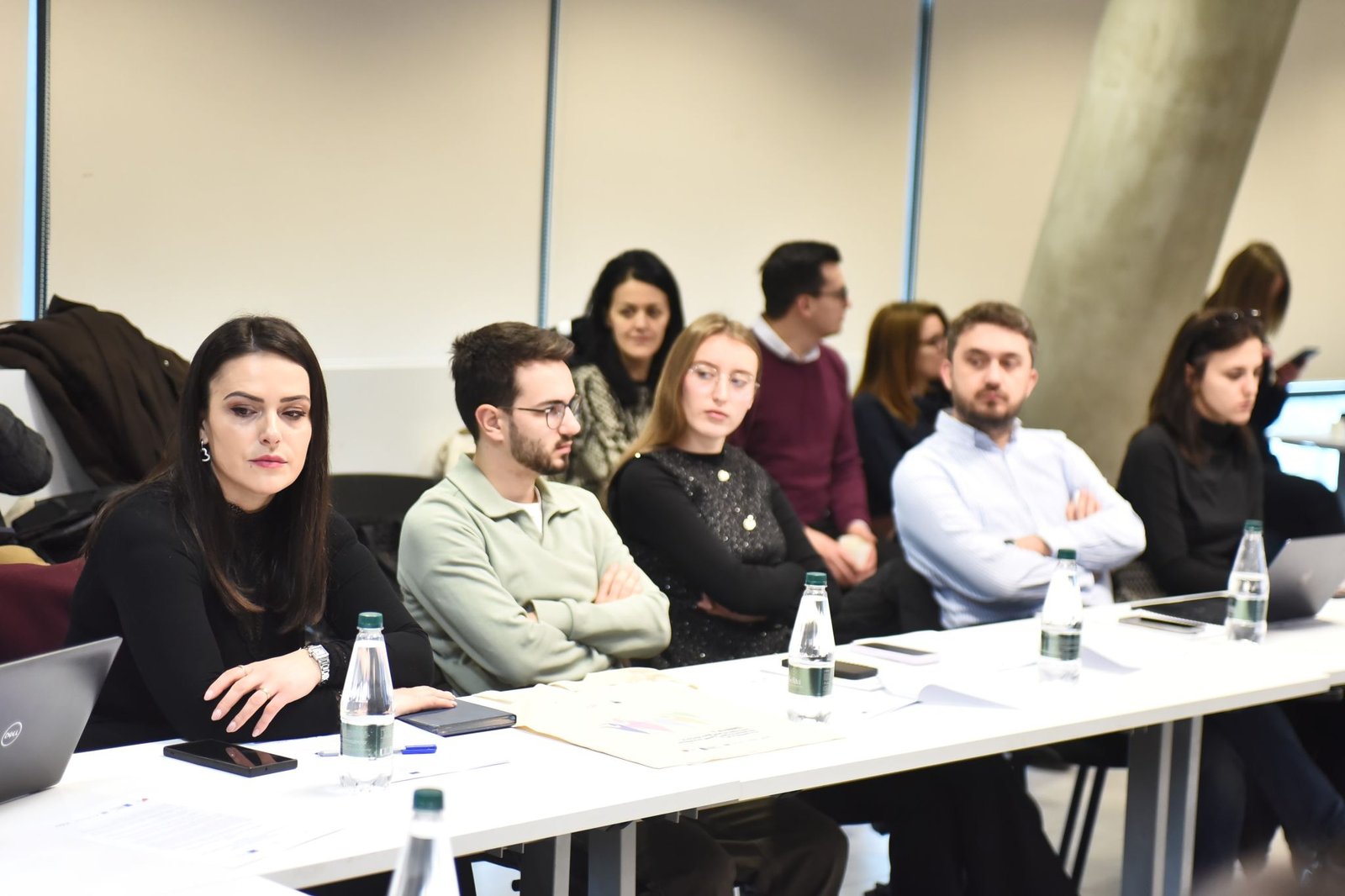
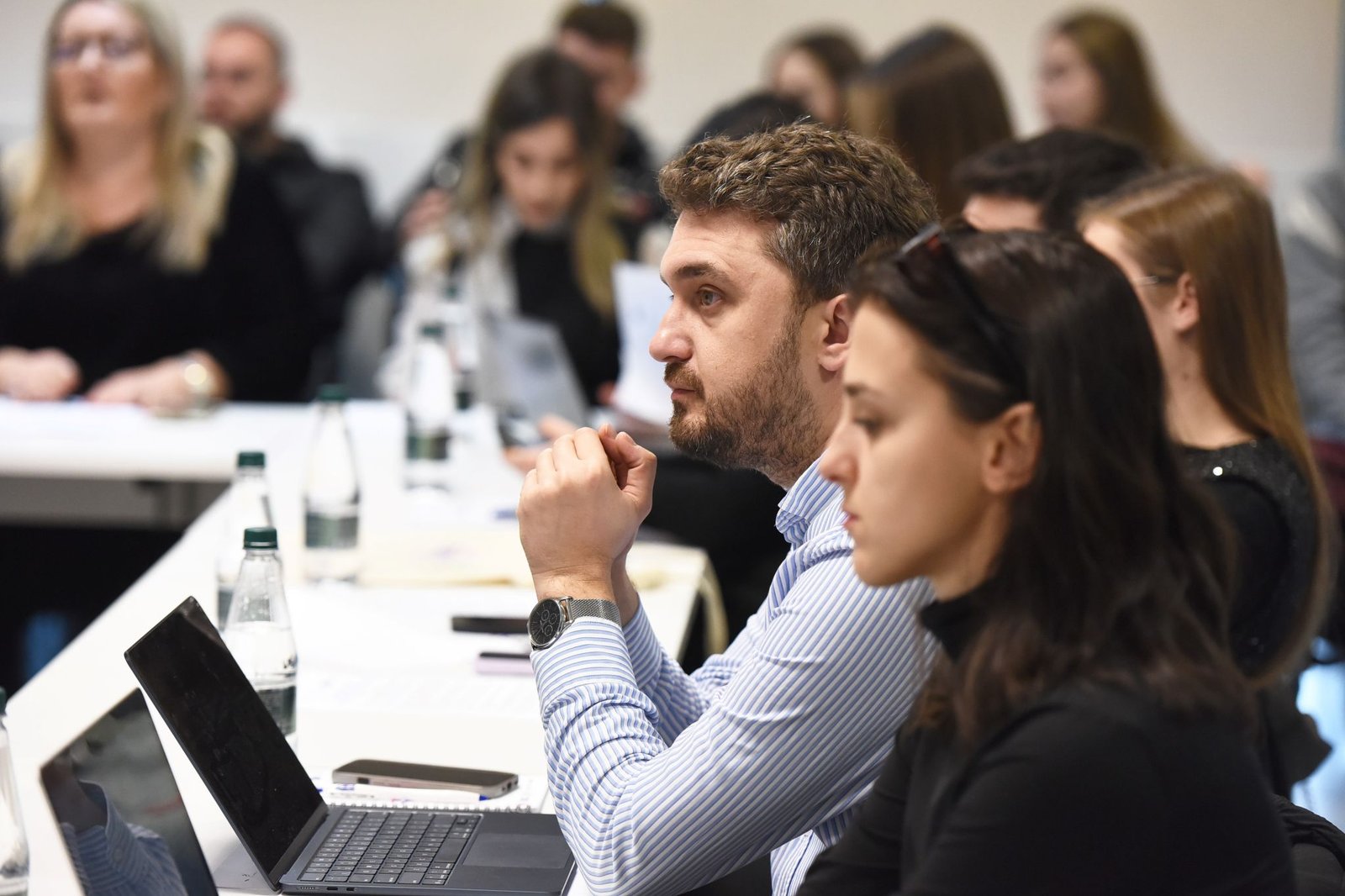
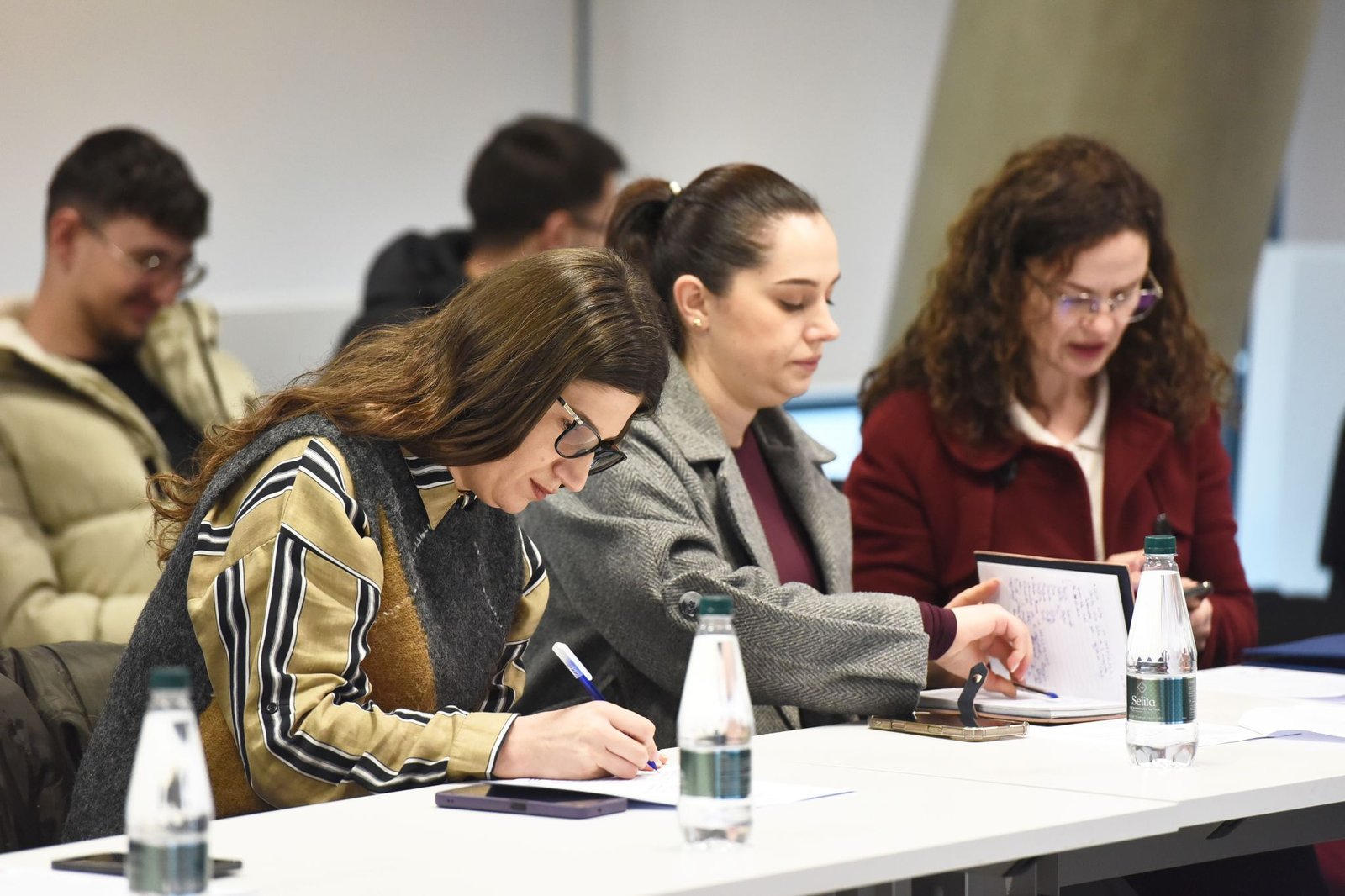
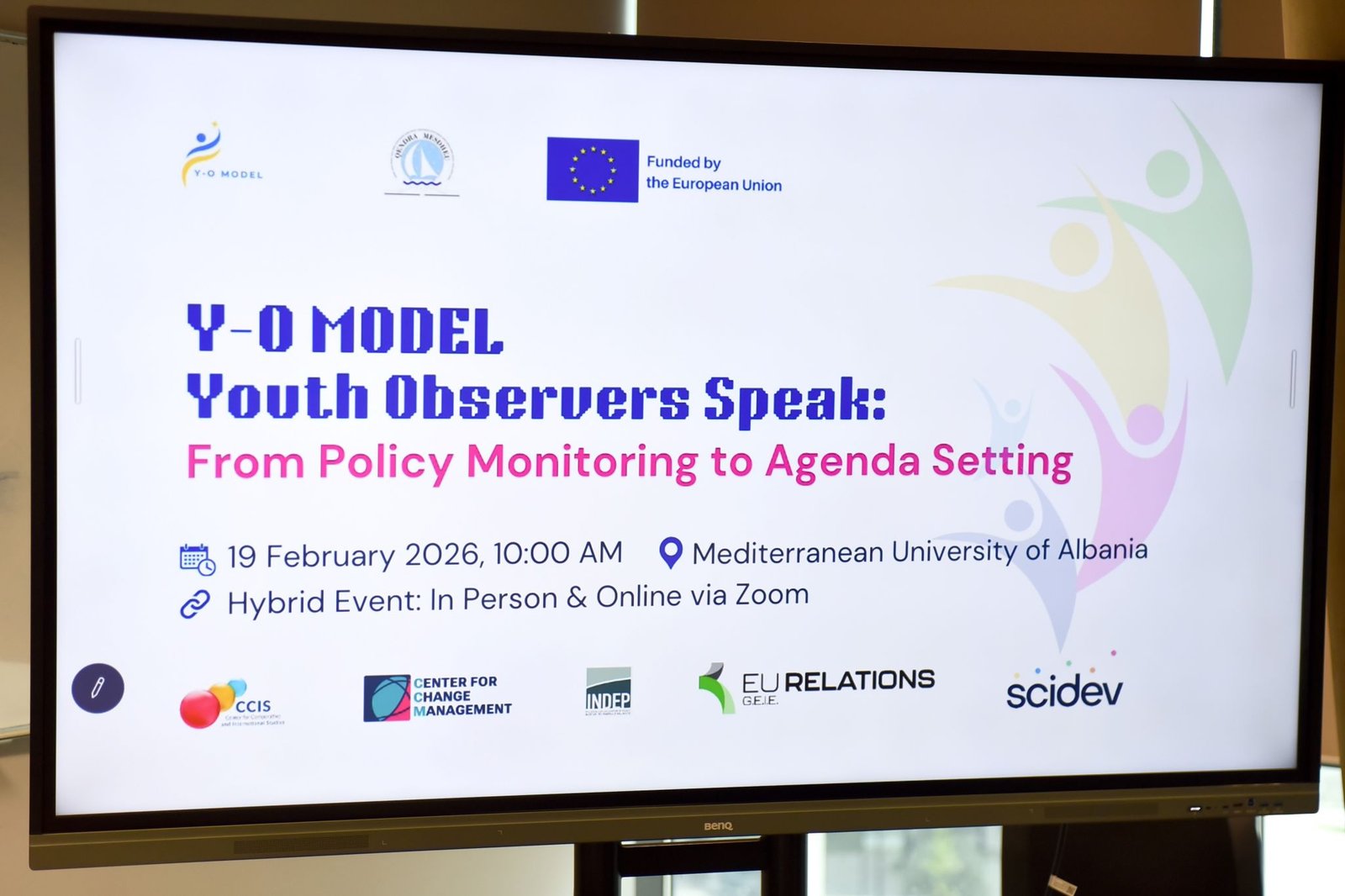
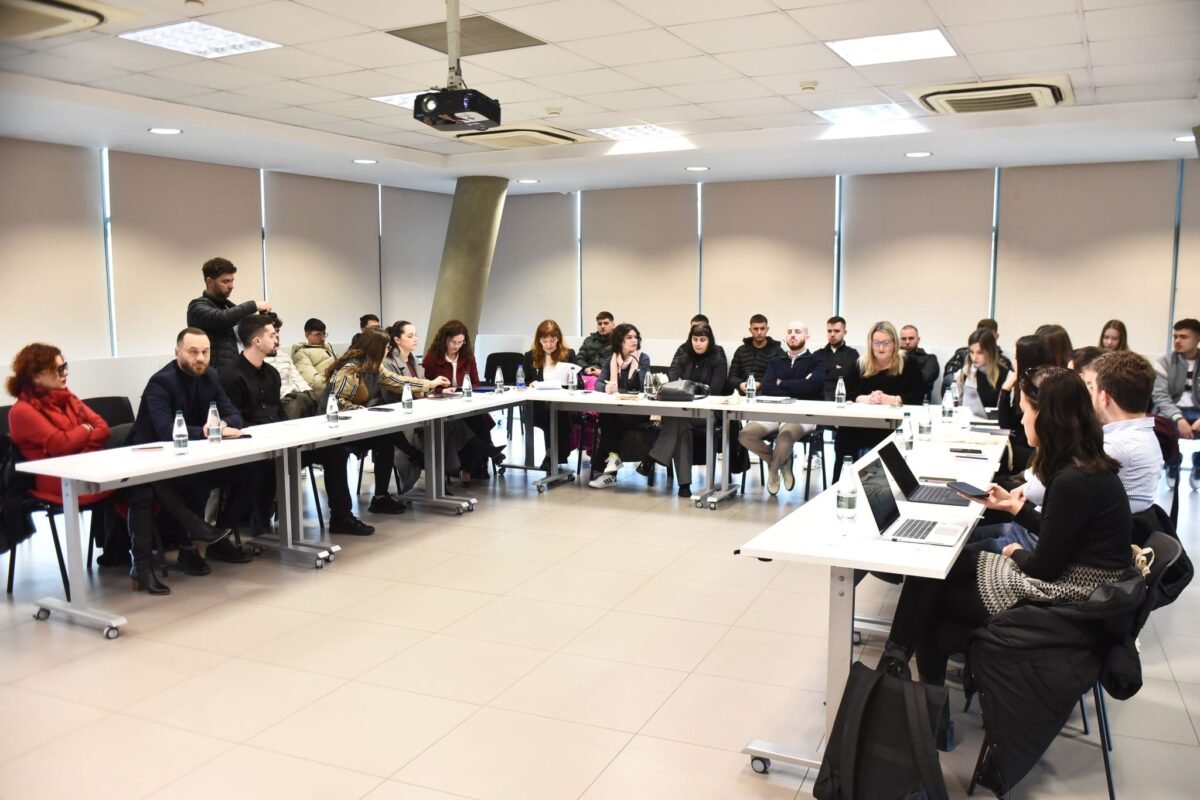
The project’s Final Conference, held in Tirana, marked an important milestone by bringing together Youth Observers, institutional representatives, and project partners to present the policy papers developed throughout the initiative and strengthen dialogue with key stakeholders, including the National Youth Agency of Albania. The event reaffirmed a shared commitment to ensuring that youth voices are meaningfully integrated into policymaking processes.
Although the project has reached its conclusion, the Youth Observer network will continue to foster regional cooperation, promote evidence-informed policy dialogue, and support young people in contributing to democratic governance and sustainable development across the Western Balkans.
Youth policy should be developed with young people, not only for young people.
Disclaimer
The Youth Observer Model – “A Cross Regional Predictive Model for Youth Policy Shaping – Youth Observers (Y-Os)” is an Erasmus+ Capacity Building in the Field of Youth project, co-funded by the European Union and implemented by Qendra Mesdheu, CCIS Albania, Center for Change Management (CCM), SCiDEV, INDEP, and Eurelations GEIE.
The views and opinions expressed are those of the authors and participants and do not necessarily reflect those of the European Union, the European Education and Culture Executive Agency (EACEA), or the project partners. Neither the European Union, EACEA, nor the project partners can be held responsible for the content of this publication.