COST Action CoREx WG1 Meeting Held in Tirana: Advancing Research on Executive Governance

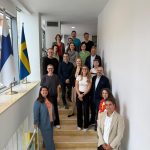
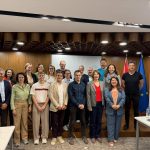
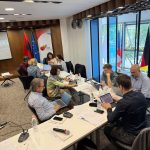
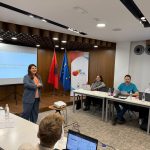
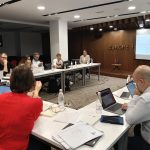
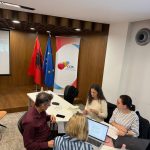
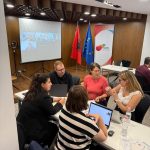
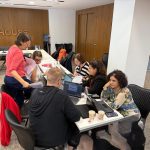
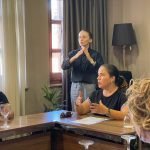
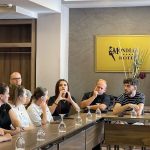
The Working Group 1 meeting of COST Action CA22150 – CoREx was held in Tirana on 29–30 September 2025 at Europe House, with CCIS serving as the local organizer. The CoREx Action brings together a distinguished network of scholars from across Europe to examine the relationships among executive politicians, top civil servants, and ministerial advisers—collectively known as the executive triangle.

The interactions within this triangle play a decisive role in shaping policymaking processes and broader democratic governance. Through this Action, researchers are developing comparative datasets and analytical frameworks to better understand how these dynamics evolve, particularly in contexts of increasing political polarization.

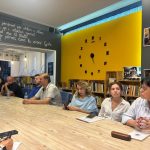
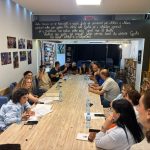
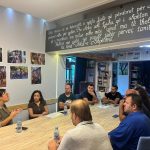
The Tirana meeting convened approximately 25 researchers from more than 15 European countries, providing a productive setting for sharing empirical findings, discussing methodological approaches, and advancing the work of Working Group 1.


“Thyerja e Barrierave”: takim me institucionet dhe bizneset për punësim gjithëpërfshirës

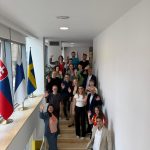
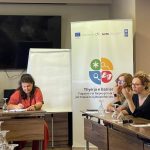
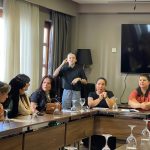
Në kuadër të aktiviteteve të projektit “Thyerja e Barrierave: Fuqizimi i të Rinjve që Nuk Dëgjojnë për Punësim Gjithëpërfshirës në Shqipëri”, ANAD-SHKSHNJND dhe CCIS organizuan një diskutim të rëndësishëm me fillimin edhe të Javës Ndërkombëtare të Personave që Nuk Dëgjojnë.

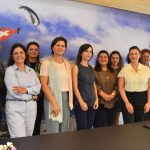
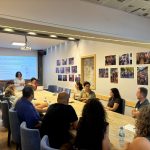
Ky takim solli në një tryezë të vetme aktorët kryesorë institucionalë dhe ekonomikë: Zyrën Rajonale të Punësimit, Bashkinë Tiranë, Agjencinë Kombëtare të Punësimit dhe Aftësive (AKPA), Dhomën e Tregtisë, përfaqësues të organizatave të SHC që punojnë me komunitetet në nevojë, si dhe përfaqësues të projektit #EU4LMI nga UNDP Albania. Pjesë e këtij diskutimi ishin edhe vetë të rinjtë që nuk dëgjojnë, anëtarë të degës së ANAD në Tiranë, duke e bërë dialogun gjithëpërfshirës dhe me vlerë të dyanshme.

Diskutimet sollën në vëmendje nevojën për bashkëveprim të fortë ndër-institucional dhe ndër-sektorial, duke përfshirë jo vetëm institucionet publike, por edhe sektorin privat, si bizneset dhe dhomat e tregtisë. Vetëm përmes partneritetit të qëndrueshëm dhe përfshirjes së drejtpërdrejtë të komunitetit, mund të sigurohet punësim i denjë dhe i barabartë për të rinjtë që nuk dëgjojnë, duke forcuar aksesin e tyre në tregun e punës dhe duke ulur barrierat e ekzistueshme.

Ky është një hap i rëndësishëm drejt krijimit të një modeli gjithëpërfshirës të bashkëpunimit, i cili promovon jo vetëm mundësitë për punësim, por edhe rrit ndërgjegjësimin për potencialin dhe të drejtat e personave që nuk dëgjojnë në Shqipëri. ✨
Deklaratë: BE për Përfshirjen në Tregun e Punës (EU4LMI) financohet nga Bashkimi Evropian dhe zbatohet nga PNUD, Zyra Suedeze e Punësimit Publik dhe ADRF në partneritet me Agjencinë Kombëtare të Punësimit dhe Aftësive.

CCIS Presents Key Findings from StateAlb at the Embassy of Switzerland in Tirana

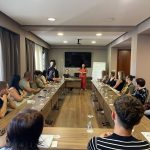
The CCIS team of experts had the honor of presenting at the Embassy of Switzerland in Tirana as part of the project “Fostering Trust and Utilization in Albania’s Data Landscape” (StateAlb), supported by the Embassy of Switzerland in Albania.

In the presence of H.E. Mrs. Ruth Huber, Ambassador of Switzerland, each expert shared the key findings from their draft policy papers, covering sectors including civil society, media, academia, and business.

We sincerely thank the Embassy for hosting the event and for the valuable, constructive feedback provided. The achievements to date represent a significant and commendable step in an emerging field. Our team looks forward with enthusiasm to the upcoming validation phase and the final event scheduled for October.

Thyerja e Barrierave për Punësim Gjithëpërfshirës në Shkodër

Thyerja e Barrierave për Punësim Gjithëpërfshirës në Shkodër

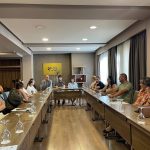
Projekti “Thyerja e Barrierave: Fuqizimi i të Rinjve që Nuk Dëgjojnë për Punësim Gjithëpërfshirës në Shqipëri” vijon rrugëtimin e tij me takime të drejtpërdrejta me komunitetin e personave që nuk dëgjojnë. Këtë herë ndalesa ishte në Shkodër, aty ku sfidat e punësimit për këtë komunitet janë të mëdha dhe shpesh të paadresuara.

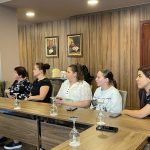
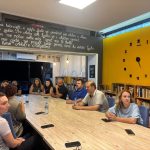
Takimi solli së bashku përfaqësues të Zyrës Rajonale të Agjencisë Kombëtare për Punësim dhe Aftësim (AKPA), të rinj nga zyra e ANAD, ekspertët e CCIS për këshillim karriere e punësim, si dhe përfaqësues nga zyra zbatuese e projektit #EU4LMI pranë UNDP Albania. Diskutimet ishin dinamike dhe përqendruar tek gjetja e zgjidhjeve të përbashkëta për të rritur aksesin në tregun e punës, duke forcuar partneritetin mes komunitetit, institucioneve vendore e kombëtare dhe organizatave partnere.

Ky projekt përveç se punësimin e të rinjve që nuk dëgjojnë në Bashkinë Shkodër, do ndihmojë edhe për referimin e rasteve drejt Shërbimit Social Shtetëror dhe organizatave të tjera lokale që punojnë me persona me aftësi ndryshe. Shkodra është vetëm një hap i rëndësishëm në këtë rrugëtim së shpejti do të ndajmë histori suksesi edhe nga Tirana, Kamza dhe Vora.

Disclaimer: Projekti “Thyerja e Barrierave: Fuqizimi i të Rinjve që nuk Dëgjojnë për Punësim Gjithëpërfshirës në Shqipëri” I mbështetur nga projekti EU4Labour Market Inclusion, financuar nga Bashkimi Europian, zbatuar ne Shqipëri nga UNDP dhe ADRIF synon të përmirësojë aksesin dhe përfshirjen e të rinjve që nuk dëgjojnë në tregun e punës përmes një qasjeje gjithëpërfshirëse që kombinon trajnime, zhvillim kapacitetesh, ndërgjegjësim publik dhe bashkëpunim me aktorë lokalë të tregut të punës. Projekti do të zbatohet për një periudhë 15-mujore nga Shoqata Kombëtare e Personave që nuk Dëgjojnë në Shqipëri (ANAD) si aplikant kryesor dhe Qendra për Studime Krahasuese dhe Ndërkombëtare (CCIS) si bashkë-zbatues, në bashkitë Tiranë, Shkodër, Vorë dhe Kamëz.

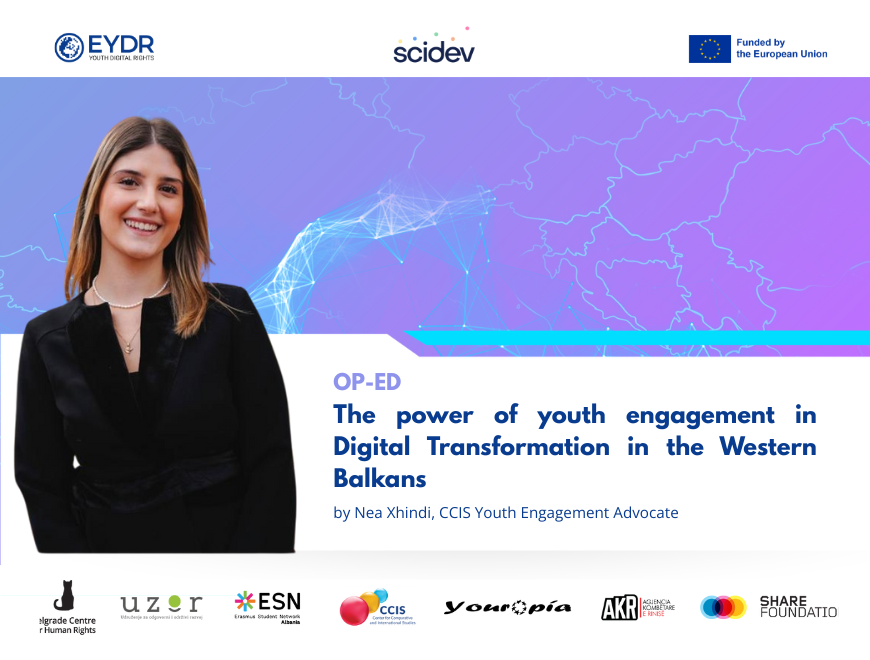
The power of Youth Engagement in Digital Transformation in the Western Balkans
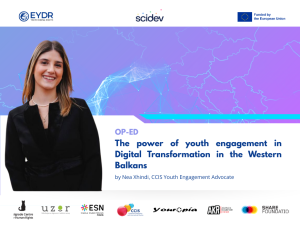
As a student of Industrial Engineering and an active participant in numerous CCIS initiatives, I have witnessed first-hand the power of youth engagement in shaping democracy and driving societal change in Albania and the Western Balkans. My work in projects focusing on decision-making, employment, and civic participation has taught me that democratic progress today is deeply intertwined with the digital environment we inhabit.

In Albania and across the WB region, digital rights are not yet fully understood, regulated, or safeguarded. We face a pressing need to improve public awareness of these rights, to develop a comprehensive and regularly updated legal framework, and to strengthen the monitoring and enforcement capacities of public institutions. The path forward is clear: the Western Balkans must meaningfully align with the EU acquis on digital technologies. This is a unique opportunity for our region to modernize, not just technologically but also in terms of rights protection, inclusivity, and democratic resilience.

But challenges remain. Striking the right balance between digital rights, security, and inclusivity is far from straightforward particularly when introducing fully digital public services. The solution lies in a human-centric strategy for AI and digital transformation. Such a strategy is not simply beneficial; it is essential. It is the compass that helps us navigate AI’s complexity, avoid the “app-centric” fragmentation that dilutes impact, and ensure effective use of world-class AI tools such as Google Gemini and Microsoft Copilot.

In practice, a human strategy means building a robust “digital cognitive ladder”: a structured approach that guides investments in AI, encourages multimodal content creation, and delivers measurable societal and economic value. It is also a strategy for cultivating AI literacy helping citizens, institutions, and young professionals alike to overcome fear, adapt quickly, and work collaboratively with AI.

The global AI conversation has already shifted. The initial excitement around generative models like ChatGPT in 2023 has matured into a sober realization: AI is no longer a distant possibility; it is an embedded force reshaping every aspect of work, governance, and daily life. The question is no longer “if” AI will influence us, but “how” we will integrate it meaningfully and ethically into our professional and civic spaces.

For Albania and the WB youth in the region, the answer cannot be just the adoption of tools. We must weave AI into the fabric of our vision, institutions, and culture. This requires leadership, especially from youth, to ensure that AI serves people, protects their rights, and fosters equitable opportunities for all.

My journey through Industrial Engineering has sharpened my analytical thinking, while my engagement with CCIS has deepened my belief in participatory governance. The intersection of these experiences fuels my commitment to help build a digitally empowered, rights-focused, and human-centered future for my country and region.

DISCLAIMER: This article is part of Youth Participation in Digital Democracy: From Digital Skills to Digital Rights of Youth with Fewer Opportunities (EYDR) project, aimed to strengthen the capacities of Albanian and Montenegrin youth to meaningfully engage in digital activism through an approach that balances protection and digital participation.

EYDR is funded by the Erasmus Capacity Building in the Field of Youth of the European Union and is implemented under the leadership of SCiDEV in partnership with UZORBeogradski centar za ljudska prava, Asociación Youropia, Centre for Comparative International StudiesErasmus Student Network in AlbaniaNational Youth Agency in Albania, and SHARE Foundation. Opinions in this article are solely of the author and do not necessarily represent the views European Union stand on the matter.