Training of Trainers për Kurrikulën mbi Shërbimet Publike dhe Mbikëqyrjen nga Këshillat Bashkiakë

Training of Trainers për Kurrikulën mbi Shërbimet Publike dhe Mbikëqyrjen nga Këshillat Bashkiakë

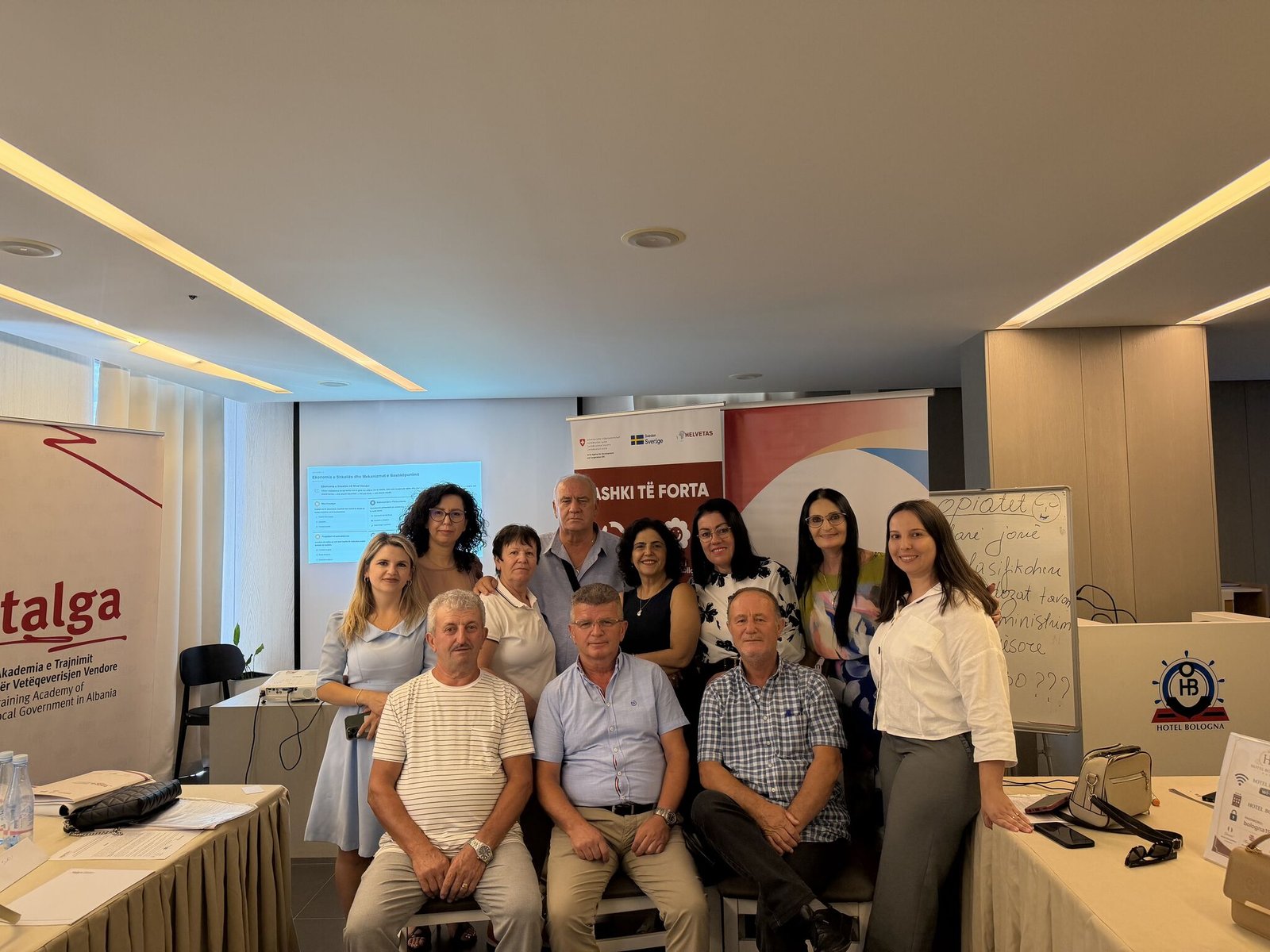
Më 26–27 mars 2026, ekspertët e Qendrës për Studime Krahasuese dhe Ndërkombëtare (CCIS) zhvilluan Training of Trainers (ToT) për kurrikulën nr. 3 me temë: “Politikat, instrumentet (entet/ndërmarrjet) për shërbimet publike dhe mbikëqyrja nga këshilli e performancës dhe e kontratave për shërbimet publike, si dhe menaxhimi i aseteve për ofrimin e tyre.”

Ky trajnim është pjesë e përpjekjeve për forcimin e kapaciteteve të këshillave bashkiakë në Shqipëri, duke u fokusuar në rolin e tyre në politikëbërje, përdorimin e instrumenteve ligjore dhe mbikëqyrjen efektive të performancës së shërbimeve publike dhe kontratave me të tretët.

Trajnimi u zhvillua në kuadër të Akademisë së Trajnimeve për Qeverisjen Vendore (TALGA) dhe projektit “Bashki të Forta”, financuar nga SDC dhe Qeveria e Suedisë, dhe zbatuar nga Helvetas, në bashkëpunim me ASPA, AMVV dhe Shoqatën Kombëtare të Bashkive të Shqipërisë.
Kurrikula është hartuar nga CCIS, ndërsa ToT u realizua me kontributin e ekspertëve Nevila Xhindi, Dhurata Çupi dhe Olta Qejvani, me mbështetjen e Artan Rroji.

Qëllimi i këtij trajnimi ishte përgatitja e një rrjeti trajnerësh kombëtarë, të cilët do të vijojnë të zhvillojnë trajnime për këshillat bashkiakë në të gjithë vendin, në kuadër të TALGA.


Youth as Partners, Not Beneficiaries: What the Y-O Model Achieved and Where It Points Next

Youth participation is a term that appears in almost every policy document concerning young people in the Western Balkans. Yet, the gap between stated commitment and meaningful practice has become one of the defining frustrations for a generation increasingly disillusioned with democratic institutions.

The project “A Cross Regional Predictive Model for Youth Policy Shaping – Youth Observers” (Y-O Model), funded by the European Union under the Erasmus+ Capacity Building in Youth programme, was built on a different premise. Instead of asking young people to take part in processes designed by others, it explored what becomes possible when youth are positioned as co-organisers from the very start.

The Y-O Model unfolded in three interconnected phases. The first phase focused on the youth observers themselves, providing capacity-building sessions that combined policy analysis methodology with leadership training, alongside study visits to public institutions and civil society actors across partner countries. These visits gave participants direct access to high-level decision-makers.

The second phase put this preparation into practice. Youth observers led national stakeholder consultations, mapping relevant actors, testing initial policy assumptions, and building relationships needed to collect data. They then convened and facilitated national roundtables to test their preliminary findings with the same stakeholders.

The third phase involved the production of six policy papers addressing youth mental health, employability, and political participation. These were not commissioned reports; they were researched, drafted, and presented by the youth observers themselves, with support from mentors in partner organisations, in direct engagement with the institutions they were analysing.

The project’s impact was felt on three levels. For the youth observers, the experience marked a transition from participation to civic agency. Moving through the full cycle—from capacity building to stakeholder consultation to policy contribution—strengthened their confidence and motivation to remain active in youth policy beyond the project period.

For partner organisations, sustained collaboration enhanced institutional capacity to work with and for young people. The establishment of informal national youth observer networks extended each organisation’s reach and laid a foundation for ongoing engagement.

At the institutional level, the roundtable process demonstrated that meaningful collaboration between youth, civil society, public institutions, and international organisations is possible even in contexts where cross-sectoral trust is difficult to build. Stakeholders were engaged not merely as an audience for conclusions, but as active participants in the research process itself.

You can download & read the document: Y-O-Model-Project-Summary-Report-1

CCIS 2025 Annual Report

We are proud to present the 2025 Annual Report of CCIS, a year defined by growth, impactful partnerships, and meaningful change across the region.

As a dynamic and forward-looking think tank, CCIS continued to strengthen international cooperation, applying global expertise to inform decision-making and support sustainable-development. Throughout 2025, our work focused on applied research, #capacitybuilding, and collaborative projectimplementation, reinforcing our role as a partner for governments, institutions, and communities.

This year marked important milestones, including initiatives that empowered youth, advanced inclusive education and employment, strengthened trust in data, and supported local governance. From leading major European initiatives such as the HUMAN-IT COST Action, to implementing impactful Erasmus+ projects and fostering dialogue with young people across Albania, CCIS remained committed to building resilient, inclusive, and future-oriented societies.

We invite you to explore our journey, achievements, and impact throughout 2025!

You can download and read the report here: Annual Report 2025 CCIS

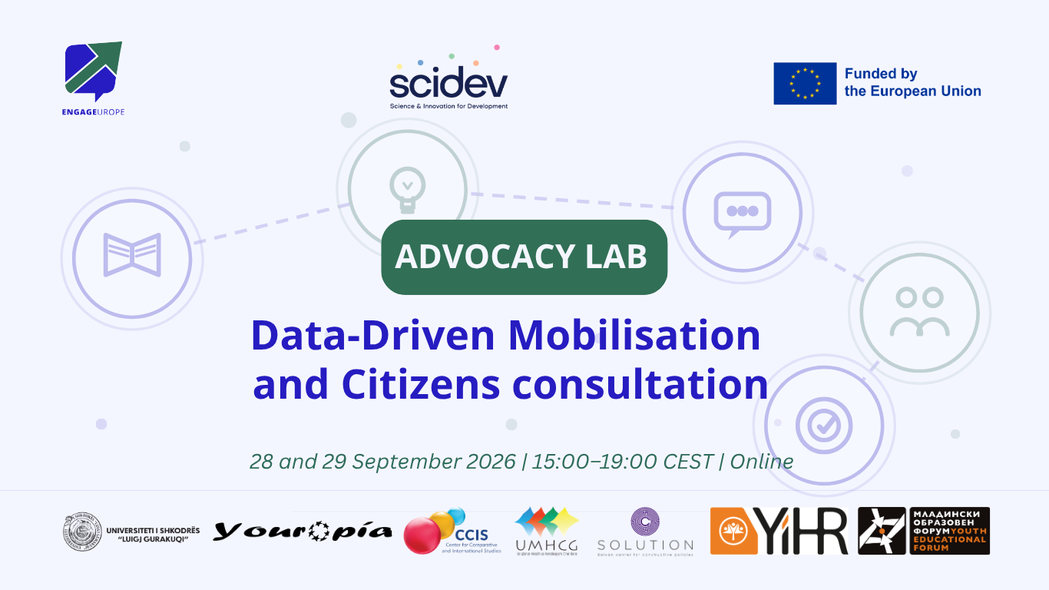
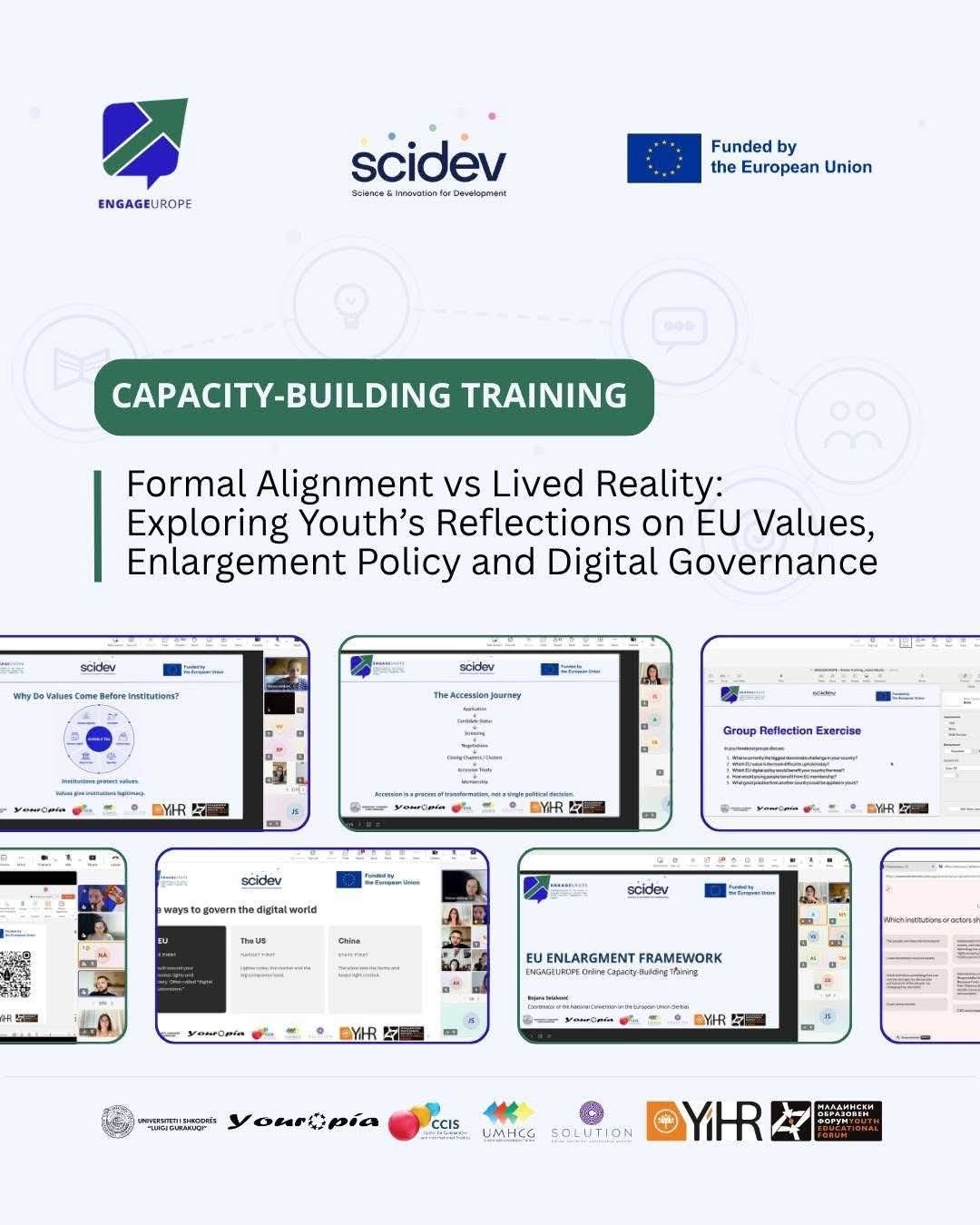
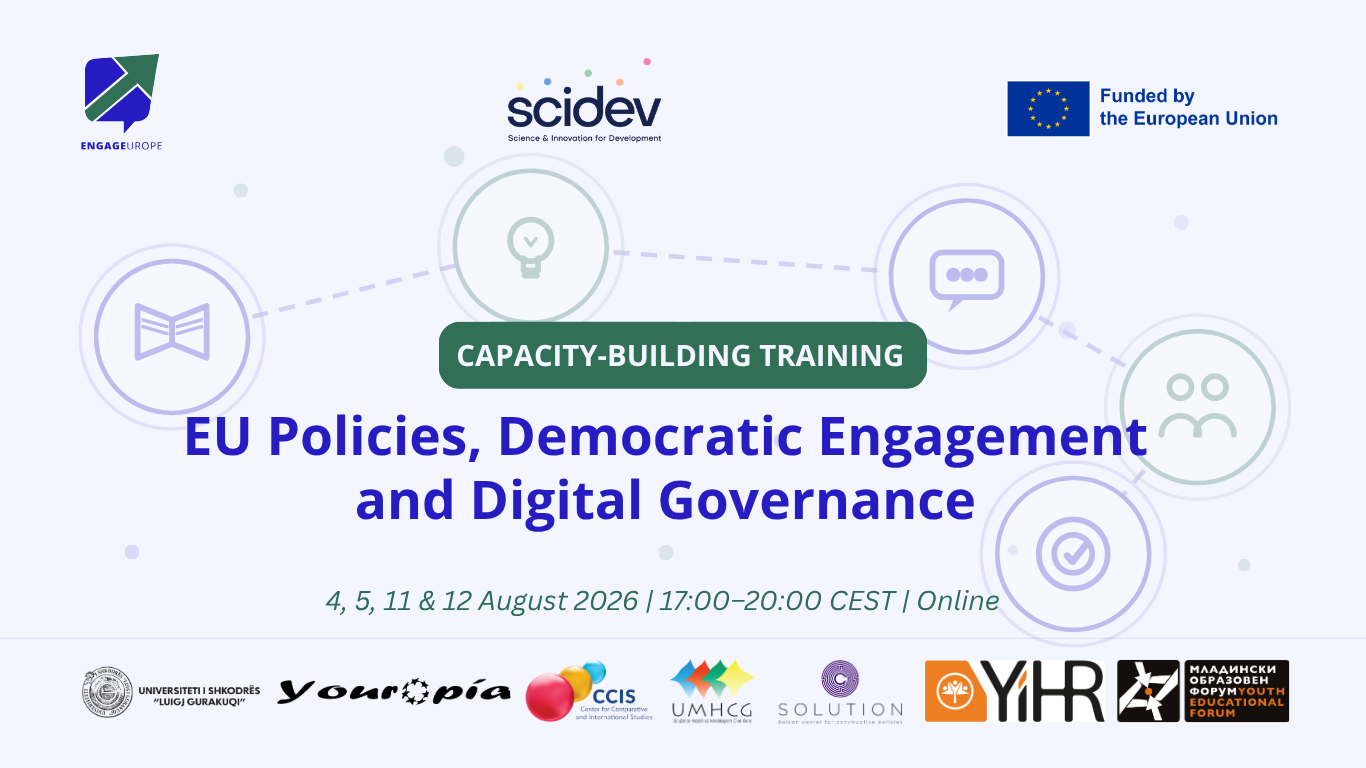
New Project: ENGAGEUROPE – Mobilising Citizens for the Future of European Democracy through Data-driven Advocacy, Engagement, and Mobility

We are excited to announce a new project, ENGAGEUROPE – Mobilising Citizens for the Future of European Democracy through Data-driven Advocacy, Engagement, and Mobility, where CCIS is a partner.

In a time when democratic participation and trust in institutions are increasingly challenged across Europe, ENGAGEUROPE brings together civil society and academic partners to strengthen civic engagement, dialogue, and citizen participation in shaping the future of the European Union.

Led by SCiDEV and funded by the European Union under the CERV Programme, the project will run from February 2026 to September 2027, engaging partners from across Europe and the Western Balkans.

As a partner, CCIS will contribute to fostering structured dialogue, youth engagement, and evidence-based policy discussions on key EU priorities, including democratic governance, enlargement, and digital transformation.

We look forward to contributing to a more inclusive, participatory, and forward-looking European democracy.

From Digital Skills to Digital Rights: Repositioning Youth in Digital Democracy

Digital participation should go beyond access and technical skills. The key democratic question is whether young people are meaningfully involved in shaping the rules that govern the digital space.

As a partner in the EYDR – Youth Participation in Digital Democracy project, CCIS contributed to strengthening youth agency in digital democracy across Albania, Montenegro, Serbia and Spain. Over two years, the project combined research, capacity building and cross-border cooperation to support young people in moving from digital engagement to policy influence.

Through mapping research, the Youth Digital Democracy Accelerator Programme and international exchanges in Belgrade and Oviedo, the initiative helped translate lived digital experiences into structured democratic participation and policy-relevant advocacy.

EYDR demonstrates that digital transformation must be accompanied by democratic safeguards, rights-based governance and meaningful youth inclusion.

Read the full EYDR Project Summary Report here:

EYDR Project Summary Report

✨ Happy International Women’s Day!

On this International Women’s Day, CCIS celebrates the contributions, leadership, and resilience of women everywhere.

Through its projects, initiatives, research, and partnerships, CCIS is committed to promoting women’s participation, supporting gender equality, and amplifying women’s voices in society. By fostering dialogue, knowledge-sharing, and inclusive policymaking, we aim to contribute to a future where women and girls have equal opportunities to lead, innovate, and shape sustainable and inclusive communities.

Today, we celebrate the achievements of women and reaffirm our commitment to advancing equality and empowerment for women everywhere!

Y-O MODEL: Two Years of Youth-Led Change!

Over the past two years, young people from Albania, Kosovo, North Macedonia, and Italy have gone from observers to advocates researching youth employment, mental health, and civic participation, and bringing their findings directly to policymakers.

Through the Erasmus+ project “Y-O MODEL,” Youth Observers co-led consultations, organized policy roundtables, and met with parliaments, mayors, and government agencies across the region. The final event in Tirana brought it all together, presenting the developed policy papers and strengthening connections with Agjencia Kombëtare e Rinisë, showing that youth policy must be rooted in meaningful inclusion.

Their message is clear: youth policy should be built with young people, not just for them! And the journey doesn’t end here! Youth Observer networks will continue driving informed, youth-led policy recommendations across the region, supported by project partners.ℹ️ “A Cross Regional Predictive Model for Youth Policy Shaping – Youth Observers” is funded by the European Union through the Erasmus+ Capacity Building in Youth Programme.


CCIS at the Launch of the New Switzerland–Albania Cooperation Programme

Last week, CCIS Senior Expert Prof. Dr. Nevila Xhindi had the honour of representing CCIS at the launch of the new Switzerland–Albania Cooperation Programme (2026–2028).
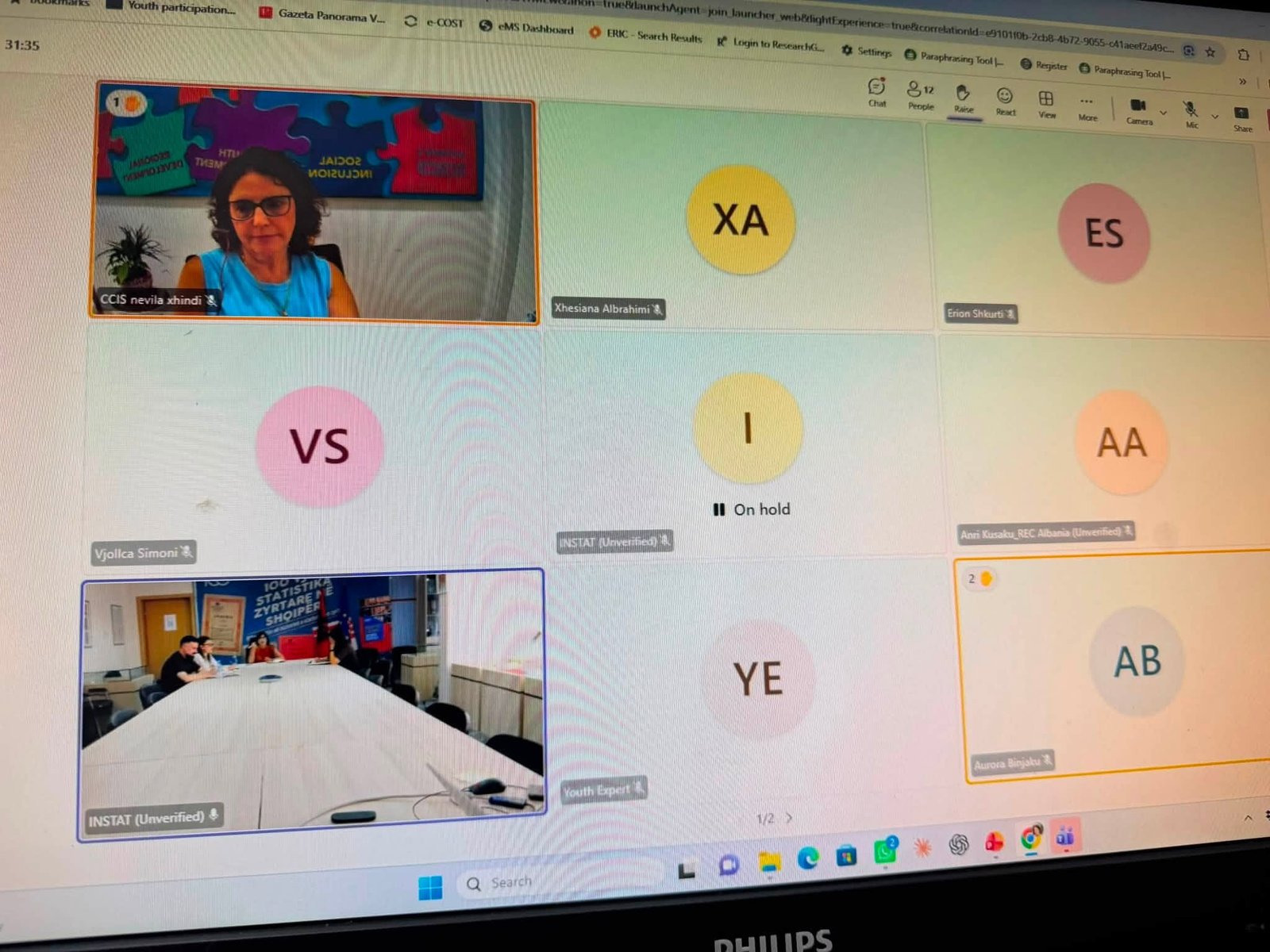
Through our Good Governance portfolio, CCIS has contributed tangible results most notably through STATEALB, a pioneering initiative focused on strengthening trust in and use of official statistics among key non-state actors, including civil society, academia, media, and the business community. CCIS will continue working closely with our Swiss partners to advance priority reforms, pilot innovative approaches, and strengthen capacities across institutions and communities.
The new Cooperation Programme builds on the long-standing Switzerland–Albania partnership and supports Albania’s European integration path through democratic governance, social inclusion, and sustainable economic growth areas that CCIS remains committed to reinforcing through evidence-based programmes and inclusive stakeholder engagement. We look forward to deepening this collaboration!
Congratulations to H.E. Ms. Ruth Huber, Ambassador of Switzerland to Albania, for her leadership and steadfast commitment to opening new pathways for opportunity and inclusion.
Photos courtesy of the official Facebook page of the Embassy of Switzerland in Albania.

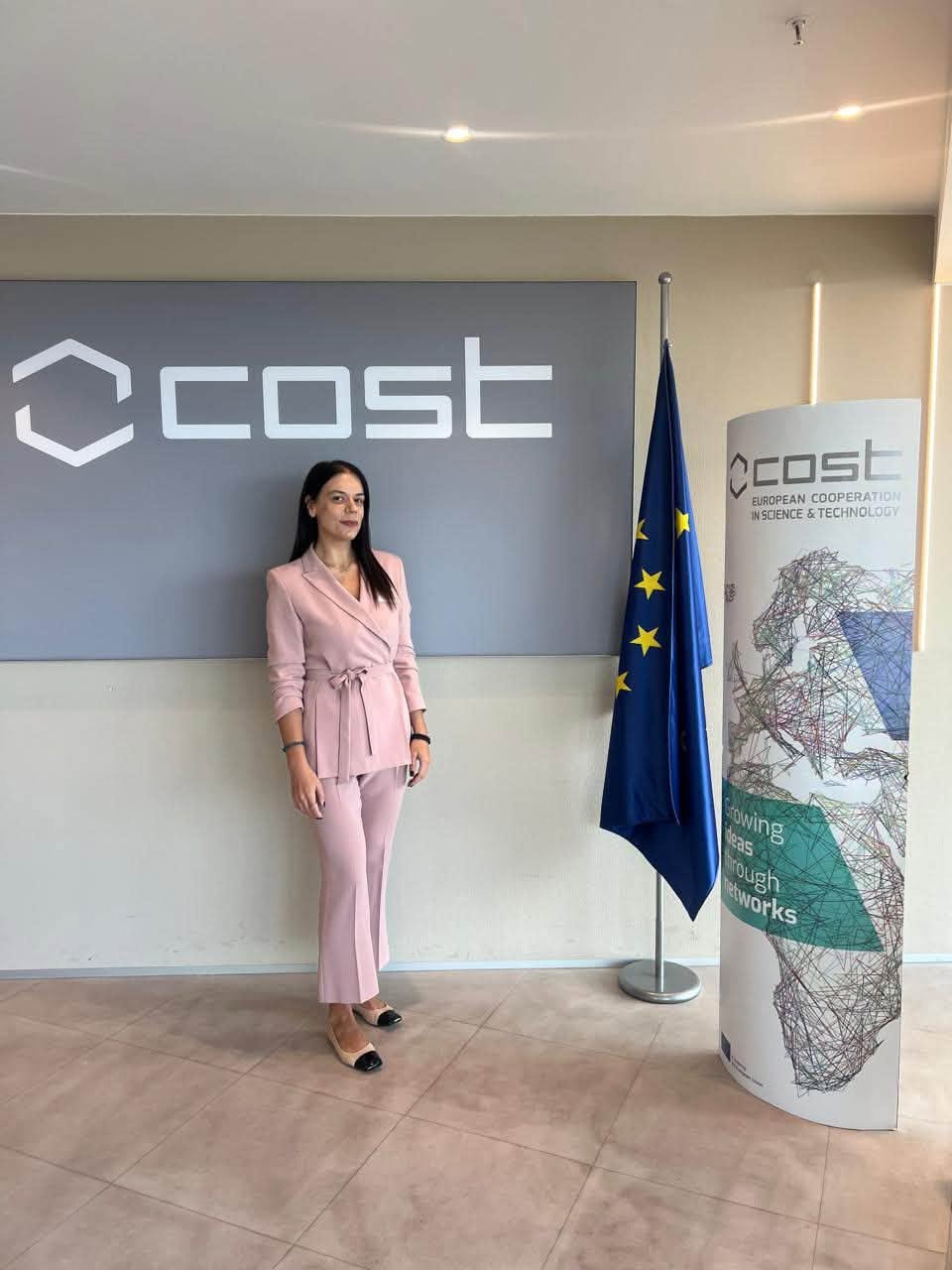
HUMAN-IT – COST Action 24167 Open Calls!

HUMAN-IT – COST Action 24167 Launching Networking Activities & Grant Opportunities!

As the Grant-Holding Institution of CA24167, CCIS Albania is proud to support the launch of networking activities and grant opportunities designed to foster mobility, scientific exchange, visibility, and capacity building across our three Working Groups!

Open on a rolling basis:
Short-Term Scientific Missions (STSM): Research visits to advance collaboration across COST countries.
Young Researchers & Innovators (YRI) Conference Grant: Support to attend and present at high-level conferences.
Dissemination & Conference Grant: Promote visibility and share HUMAN-IT research results internationally.

Applications will be evaluated on scientific quality, contribution to Action deliverables, interdisciplinarity, inclusiveness, and the potential to strengthen collaboration within the HUMAN-IT network.

Early-career researchers are particularly encouraged to apply via e-COST.
Learn more & apply: https://lnkd.in/eTwRXyua

Thyerja e Barrierave: Dialog Vendor për Punësim gjithëpërfshirës në Kamëz

Në kuadër të projektit “Thyerja e Barrierave: Fuqizimi i të Rinjve që Nuk Dëgjojnë për Punësim Gjithëpërfshirës në Shqipëri”, zhvilluam një takim konsultues në Kamëz, me një pjesëmarrje të gjerë të komunitetit që nuk dëgjon. Kamza përfaqëson një nga zonat me numër të konsiderueshëm të kësaj kategorie, duke e bërë këtë proces konsultimi thelbësor për hartimin e Planeve të Punësimit të bazuara në nevoja reale.
Diskutimet u përqendruan në sfidat konkrete që hasen në procesin e punësimit barrierat në komunikim, mungesa e mundësive të përshtatura, niveli i ulët i pagesave të mbështetjes dhe nevoja për politika vendore më aktive që nxisin integrimin në tregun e punës.
Pjesëmarrja aktive e komunitetit solli rekomandime konkrete, të cilat do të reflektohen në hartimin e Planeve të Punësimit, me qëllim krijimin e mekanizmave më efektivë dhe gjithëpërfshirës në nivel vendor. Në takim ishin të pranishëm edhe përfaqësues të Bashkisë Kamëz, të cilët shprehën gatishmërinë për bashkëpunim institucional në zbatimin e masave që do të propozohet.
Takimi u zhvillua në Sallën e Rinisë, pranë Qendrës Kulturore Kamëz, duke forcuar dialogun mes komunitetit dhe institucioneve vendore për politika më të drejta dhe të aksesueshme për të gjithë.
Deklaratë: BE për Përfshirjen në Tregun e Punës (EU4LMI) financohet nga Bashkimi Evropian dhe zbatohet nga PNUD, Zyra Suedeze e Punësimit Publik dhe ADRF në partneritet me Agjencinë Kombëtare të Punësimit dhe Aftësive.